- Home
- Trips & Camping
- Campground Power
Campground Power
- By TomW
- Published 10/15/2008
- Trips & Camping


Like many people, our idea of “roughin’ it” in the great outdoors now involves doing so in an air-conditioned Airstream with full hookups. Water & sewer hookups have never been an issue, but electrical power quality can be a problem especially if the weather is warm and the campground is fairly full.
Most appliances will still work okay with poor quality power without damage. The air conditioner’s compressor, however, does not fall in this category. When the campground voltage is low, the compressor will pull more current. More current means more heat localized to the compressor’s internal motor windings. Eventually, the motor will give out. Nowadays, the entire AC unit is typically replaced instead of repaired which can add up to some serious bucks even for the do-it-yourselfer.
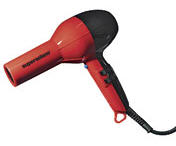
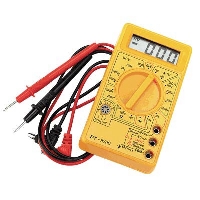 What can you do? Check your line voltage. In a properly designed campground, a 30 amp outlet should read 120 Volts Alternating Current (vac) on a voltmeter. Inside your Airstream, without any big appliances running, any given outlet should read about the same. Switch on the AC, though, and you will probably see the voltage drop to around 118 vac. Turn on a hair dryer or water heater, and you may see the voltage drop even more.
Most electrical appliances are designed around a working voltage of 115 vac. So as long as your voltmeter reads between 115 & 120 volts, everything is fine. High voltage (125 vac or greater) is possible but rare. Disconnect if your meter reads 135 vac or higher.
If the voltage reads between 110 & 115 vac, and AC is desired, it is best to run nothing but the AC. While most compressor manufacturers list 105 volts as the absolute minimum, I personally would need a really good reason to operate my air conditioner if the voltage is below 110 vac.
If you are disinclined to lug around a voltmeter, Camping World sells a plug-in device for around $50 which displays line voltage. It even has under & over voltage audible alarms.
Another problem experienced by some campers is a tripped circuit breaker. This usually results from having too many appliances on at the same time. People who remember the television show Green Acres might remember that Mr. Haney sold the Douglas’s a generator with limited output. Lisa & Oliver had to be careful how many appliances were plugged in to the outlet strip or the generator would blow out. They accomplished this by labeling each cord with how many amps a given appliance required, and limiting the total amperage to under the generator’s capability. Of course if they had had a main breaker, the generator would have been protected. But the physical comedy of smoke & noise pouring out of the unit could not have been done.
You too can return to Green Acres with this general guide:
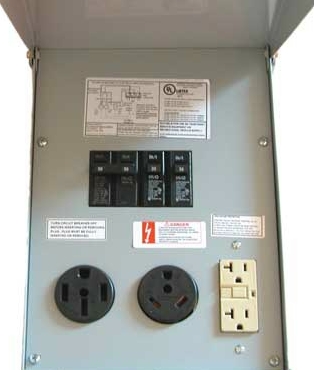 But it is possible to trip a main breaker, even with careful planning, due to start-up surge. Some appliances, like the air conditioner & microwave, require a large amount of power for a split second just to get running. Circuit breakers can normally accommodate this brief flow of extra power. But if a lot of devices are already running, it is hit or miss sometimes as to whether the breaker will hold.
So what do you do if your campsite has poor power quality? If you are using an extension cord on your shore power cord, try to hook up without it. Its use will introduce a voltage drop, and some cheaper extension cords are made with substandard connectors which will make things even worse.
Try a different campsite. Look for one that is close to the campground’s power distribution point. If the campground is fairly full, and everyone is running an air conditioner, the poor power quality might be the result of a poorly designed campground power grid. Your only option might be to go to another
campground.
Some people do not leave home without a Hughes Autoformer. This 24 pound device, which is connected in series with your shore power cord, will boost the line voltage should it go low. I have read nothing but good reports about its operation. At around $400, though, it is not inexpensive. But air conditioners are not either.
Happy camping, and check your voltage!
Most appliances will still work okay with poor quality power without damage. The air conditioner’s compressor, however, does not fall in this category. When the campground voltage is low, the compressor will pull more current. More current means more heat localized to the compressor’s internal motor windings. Eventually, the motor will give out. Nowadays, the entire AC unit is typically replaced instead of repaired which can add up to some serious bucks even for the do-it-yourselfer.
What can you do? Check your line voltage. In a properly designed campground, a 30 amp outlet should read 120 Volts Alternating Current (vac) on a voltmeter. Inside your Airstream, without any big appliances running, any given outlet should read about the same. Switch on the AC, though, and you will probably see the voltage drop to around 118 vac. Turn on a hair dryer or water heater, and you may see the voltage drop even more.Most electrical appliances are designed around a working voltage of 115 vac. So as long as your voltmeter reads between 115 & 120 volts, everything is fine. High voltage (125 vac or greater) is possible but rare. Disconnect if your meter reads 135 vac or higher.
If the voltage reads between 110 & 115 vac, and AC is desired, it is best to run nothing but the AC. While most compressor manufacturers list 105 volts as the absolute minimum, I personally would need a really good reason to operate my air conditioner if the voltage is below 110 vac.
If you are disinclined to lug around a voltmeter, Camping World sells a plug-in device for around $50 which displays line voltage. It even has under & over voltage audible alarms.
Another problem experienced by some campers is a tripped circuit breaker. This usually results from having too many appliances on at the same time. People who remember the television show Green Acres might remember that Mr. Haney sold the Douglas’s a generator with limited output. Lisa & Oliver had to be careful how many appliances were plugged in to the outlet strip or the generator would blow out. They accomplished this by labeling each cord with how many amps a given appliance required, and limiting the total amperage to under the generator’s capability. Of course if they had had a main breaker, the generator would have been protected. But the physical comedy of smoke & noise pouring out of the unit could not have been done.
You too can return to Green Acres with this general guide:
- Power converter 5 – 7 amps
- Air conditioner (15,000 Btu) 12.5 amps
- Electric water heater (6 gal) 12.5 amps
- Microwave oven 12.8 amps
- Electric coffee maker 9.0 amps
- RV refrigerator (on electricity) 2.5 amps
- Toaster 10 amps
- Hair dryer 12.5 amps
- Television 2.0 amps
- Electric skillet 10.0 amps
- Iron 10.0 amps
- Food processor 6.0 amps
- Crock pot 1.5 amps
- Space heater 12.5 amps
- Heating pad 0.5 amps
- Cell phone charger 0.1 amps
But it is possible to trip a main breaker, even with careful planning, due to start-up surge. Some appliances, like the air conditioner & microwave, require a large amount of power for a split second just to get running. Circuit breakers can normally accommodate this brief flow of extra power. But if a lot of devices are already running, it is hit or miss sometimes as to whether the breaker will hold.So what do you do if your campsite has poor power quality? If you are using an extension cord on your shore power cord, try to hook up without it. Its use will introduce a voltage drop, and some cheaper extension cords are made with substandard connectors which will make things even worse.
Try a different campsite. Look for one that is close to the campground’s power distribution point. If the campground is fairly full, and everyone is running an air conditioner, the poor power quality might be the result of a poorly designed campground power grid. Your only option might be to go to another
campground.
Some people do not leave home without a Hughes Autoformer. This 24 pound device, which is connected in series with your shore power cord, will boost the line voltage should it go low. I have read nothing but good reports about its operation. At around $400, though, it is not inexpensive. But air conditioners are not either.
Happy camping, and check your voltage!
